


For years, Structural Health Monitoring (SHM) has primarily been viewed as a technology for improving infrastructure safety. Today, that perspective is rapidly evolving.
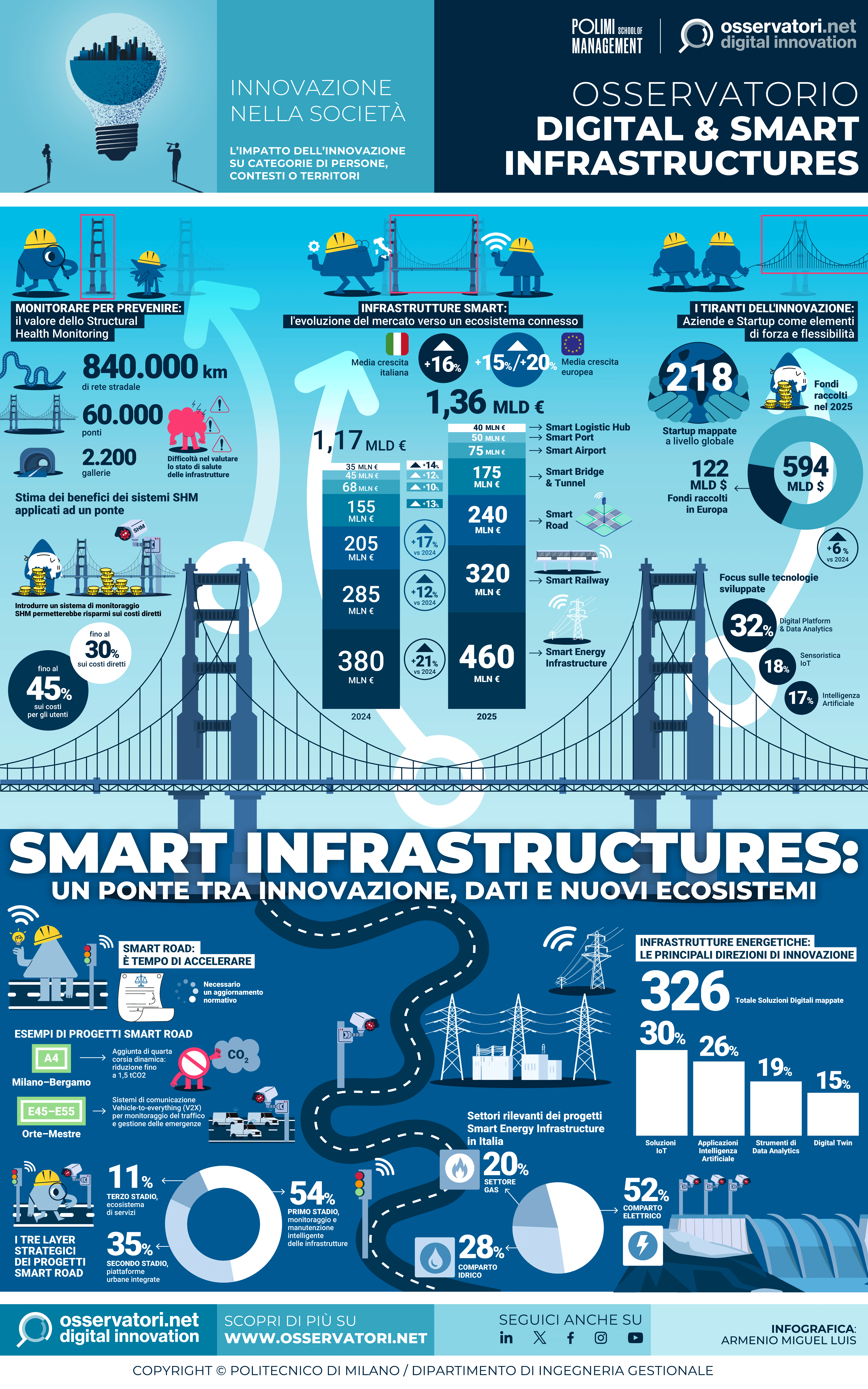
According to the latest findings from the Digital & Smart Infrastructures Observatory of Politecnico di Milano, advanced Structural Health Monitoring systems can reduce the total lifecycle cost of an infrastructure asset by more than 20%. The study highlights tangible benefits, including up to a 30% reduction in direct maintenance costs, a 45% reduction in user-related costs caused by traffic disruptions and detours, and a significant decrease in residual risk associated with critical events. It is therefore no surprise that the Italian Digital & Smart Infrastructure market continues to grow, driven by the digital transformation of road, railway, and energy networks [Digital & Smart Infrastructures Observatory 2025–2026, Politecnico di Milano].
These figures confirm a trend that is becoming increasingly evident: Structural Health Monitoring is no longer simply an investment in safety—it is an investment that creates value throughout an asset’s entire lifecycle.
When Data Becomes Engineering Insight
If these results represent the present of Structural Health Monitoring, what comes next?
In our view, the answer is not installing more sensors.
Sensors are essential because they allow us to observe how a structure behaves. However, their real value emerges only when the collected data is transformed into engineering knowledge.
Every day, a monitored bridge generates thousands—or even millions—of measurements from accelerometers, inclinometers, displacement sensors, fiber optic systems, weather stations, and many other devices. Yet knowing that a natural frequency has changed, a rotation has increased, or a displacement has exceeded a predefined threshold does not necessarily explain what is actually happening inside the structure.
The question every infrastructure owner ultimately needs to answer is far more complex:
Is this variation part of the structure’s normal behavior, or is it an early indication of deterioration?
This is where the next evolution of Structural Health Monitoring begins.
From Monitoring to Living Digital Twins
Over the last decade, the concept of the Digital Twin has become central to the digital transformation of infrastructure.
However, a three-dimensional model or a finite element model created during the design phase cannot, by itself, be considered a true Digital Twin.
To accurately represent the health of an infrastructure asset, the model must evolve together with the structure itself.
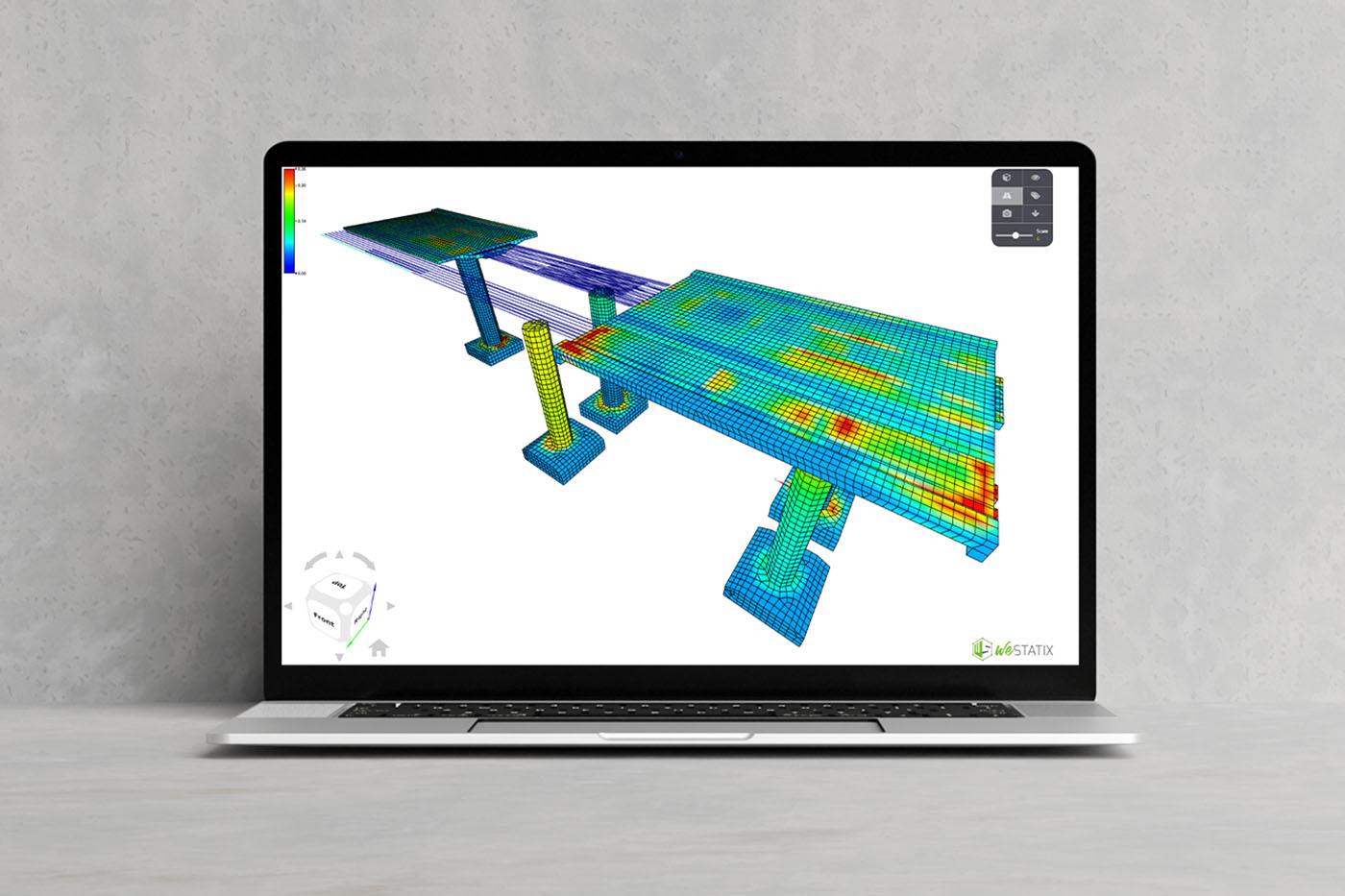
This means continuously integrating monitoring data into the numerical model, updating its structural parameters, validating engineering assumptions, and ensuring that the Digital Twin remains aligned with the actual behavior of the asset throughout its operational life.
A continuously calibrated Digital Twin does far more than represent a structure—it interprets it.
It can distinguish between traffic-induced responses and temperature effects, identify permanent deformations, detect stiffness variations, and assess how these phenomena affect structural performance and safety.
In other words, data becomes engineering intelligence.
Rethinking Maintenance
Once a Digital Twin continuously reflects the real condition of an infrastructure asset, maintenance strategies fundamentally change.
Maintenance decisions no longer need to rely solely on fixed inspection intervals or threshold-based alarms.
Instead, interventions can be planned according to the actual condition of the structure, its measured evolution over time, and future scenarios simulated through the Digital Twin.
This condition-based approach enables infrastructure owners to prioritize investments where they generate the greatest value, reduce unnecessary interventions, minimize emergency repairs, and improve the reliability of engineering decisions.
Monitoring is no longer just about understanding what is happening today—it becomes a tool for anticipating what may happen tomorrow.
CAEmate's Vision
At CAEmate, we believe this represents the natural evolution of Structural Health Monitoring.
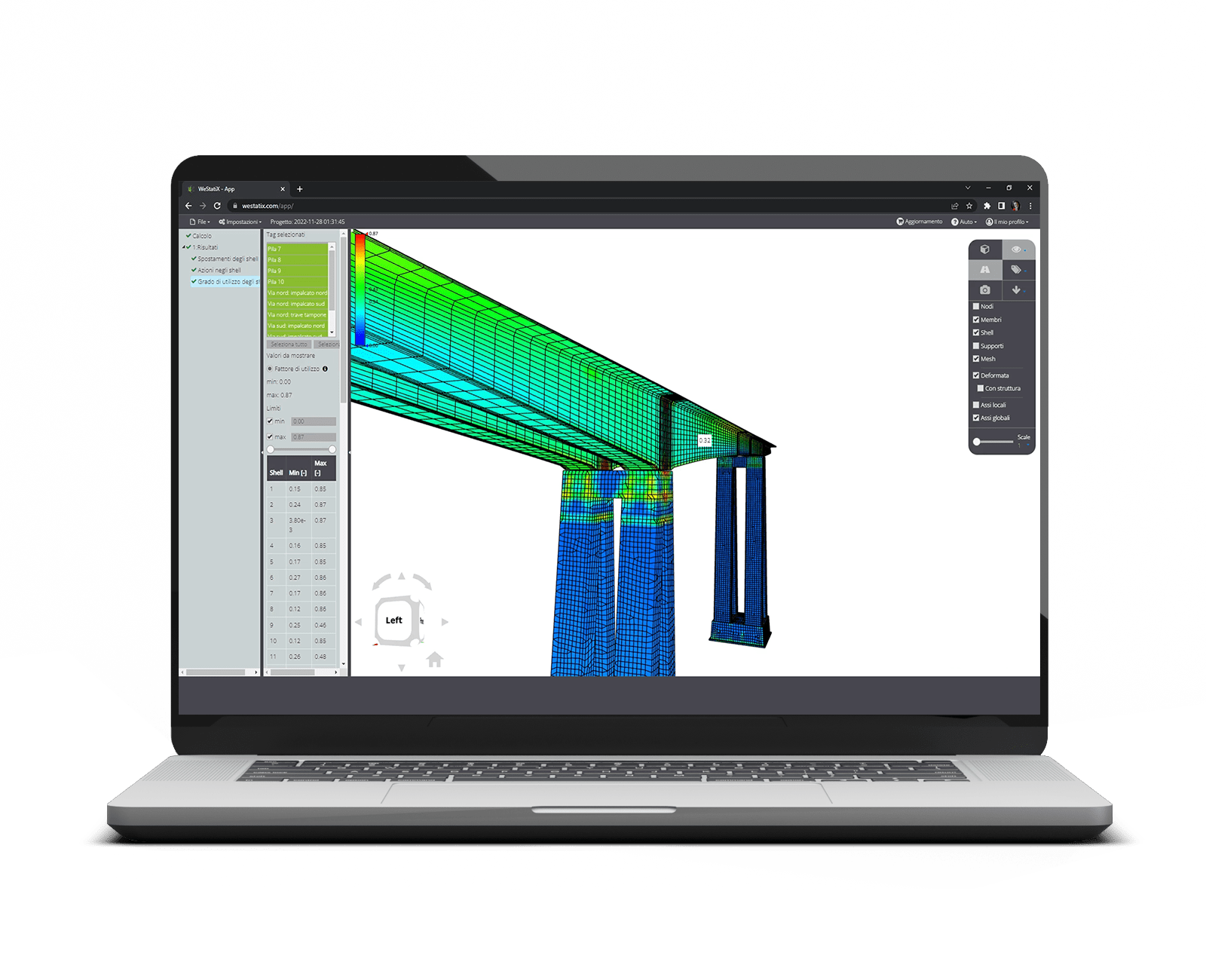
For years, we have been developing technologies that combine continuous monitoring, advanced numerical simulation, and physics-informed artificial intelligence to create continuously calibrated Digital Twins capable of supporting infrastructure management throughout the entire asset lifecycle.
Our goal is not simply to collect more data.
Our goal is to enable engineers to make better decisions.
This vision is driving the development of a new generation of engineering tools that will democratize Structural Health Monitoring by enabling engineering companies to create, maintain, and continuously update Digital Twins that deliver long-term value to infrastructure owners.
The Next Decade of Infrastructure Management
The Digital & Smart Infrastructures Observatory states that the future value of infrastructure will increasingly depend on the ability to transform data into intelligent insights.
We fully agree.
However, we believe that the next major leap will not come from collecting more information, but from transforming that information into living engineering models capable of supporting informed decisions throughout the entire lifecycle of an asset.
Because the future of infrastructure will not be defined by the number of installed sensors.
It will be defined by the quality of the decisions those sensors make possible.

